Healthcare workers today need tools that combine clinical accuracy with the physical demands of working in an emergency room. The MedTech prestige medical stethoscope is a step toward this balance, as it has better sound quality and a frame that reduces strain on a daily basis.
Many students researching how long does it take to become an emt often overlook the importance of starting their journey with such ergonomic equipment to prevent early career fatigue.
The first step in managing gear well is to understand how traditional equipment can get in the way of a practitioner's movement during a shift. The MedTech dual head stethoscope and ergonomic clips are two examples of specialized accessories that clinicians need to make their work more efficient.
Choosing the right equipment strategically has a direct effect on a provider's long-term stamina and focus during important interactions with patients. Switching from complicated setups to optimized systems can greatly speed up diagnosis and make operations more efficient overall.
How MedTechKits is Redefining the EMS Standards
MedTechKits is driven by a mission to equip first responders with tools that withstand the unpredictable rigors of the field. Every component of a professional medkit must be both reliable and intuitive, ensuring that life-saving interventions are never delayed by equipment failure.
By focusing on the unique needs of emergency medical technicians, the brand creates gear that connects laboratory precision and street-level durability.
The motive behind every product is to alleviate the physical and mental stressors that often lead to provider burnout. MedTechKits continuously innovates to provide ergonomic solutions that help EMTs maintain their focus during the most critical moments of a call.
The Hidden Burden of Traditional Medical Equipment
Healthcare providers frequently overlook the cumulative physical impact of carrying heavy diagnostic instruments around their necks for twelve hours at a time. Traditional stainless steel tools, while durable, contribute significantly to chronic upper back and shoulder tension over years of practice.
Beyond the physical weight, the bulk of conventional equipment can also interfere with quick movements during emergency situations or routine rounds. Constant adjustments to shifting gear can break a provider's focus and add a layer of mental fatigue to an already stressful environment.
Reducing Neck Strain with Aluminum Alloys
Innovative manufacturing has led to the adoption of aircraft-grade aluminum alloys as a superior alternative to heavier metals in medical device construction. These materials provide the necessary structural integrity for clear sound conduction while drastically reducing the total mass of the instrument.
The reduction in weight does not come at the cost of acoustic quality or professional durability. Aluminum components are designed to withstand the rigors of a clinical environment while remaining virtually imperceptible when worn.
Why the Clinical Lite Stethoscope is a Professional Favorite
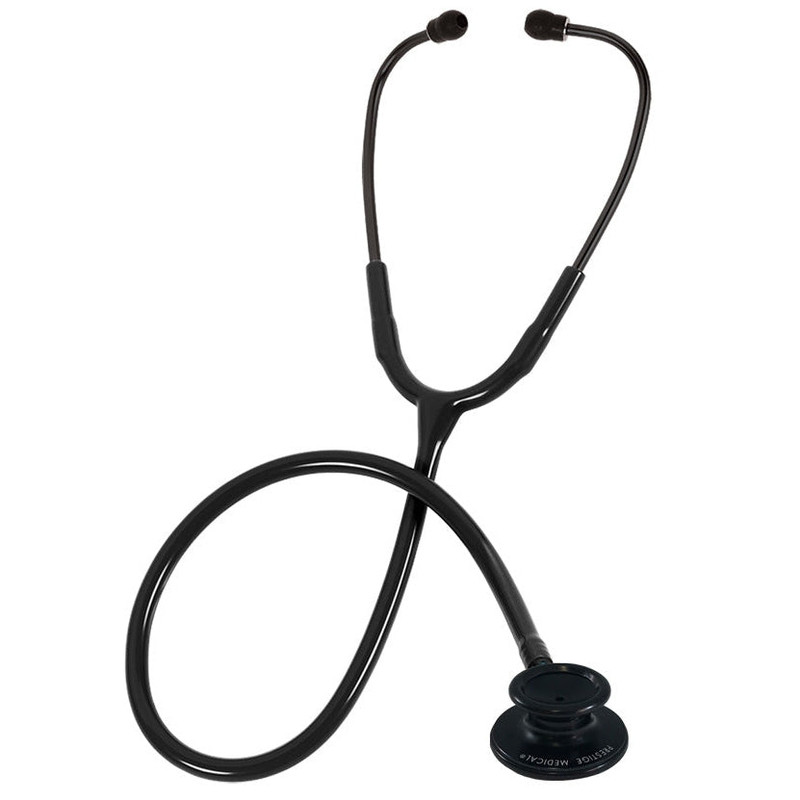
The prestige medical stethoscope from MedTechKits stands out as a premier choice for those seeking a balance between high-end acoustics and extreme lightness. Its anodized aluminum chest piece ensures that the device remains comfortable during even the most extended hospital rotations or emergency shifts.
In addition to its lightweight frame, the design features soft silicone eartips and a non-chill bell ring for enhanced patient and provider comfort. The fiberglass diaphragm is engineered to capture a wide range of heart and lung sounds with impressive precision.
Hands-Free Accessibility: Rethinking How You Carry Your Tools
While reducing the weight of an instrument is vital, changing the location of where that weight is carried can offer even greater ergonomic relief. Moving essential tools from the neck to the waist redistributes the load to the body's natural center of gravity near the hips.
Modern carrying solutions allow for a cleaner professional appearance while keeping diagnostic tools within immediate reach at all times. By clearing the neck and shoulder area, a provider gains a full range of motion and reduces the risk of equipment snagging on other items.
The Benefits of Using a Stethoscope Belt Clip
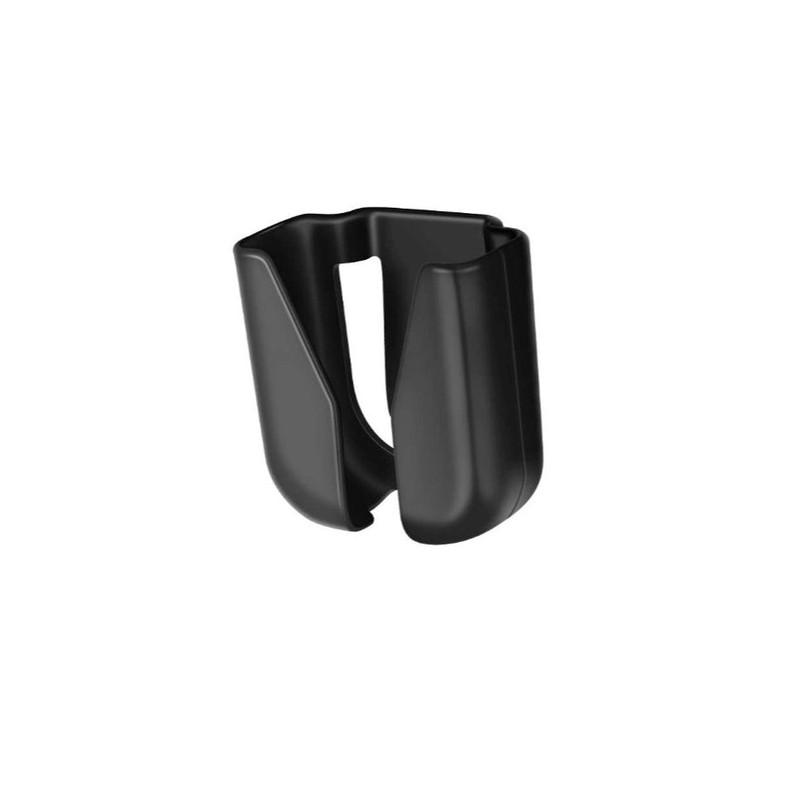
A dedicated stethoscope holder clip from MedTechKits provides a secure and reliable way to attach a diagnostic scope directly to a belt or waistband. This accessory ensures that the instrument is always in the same place, allowing for a muscle-memory draw that speeds up the examination process.
The clip's robust design holds the headset and chest piece firmly in place, even when a practitioner is running to a code or moving quickly through a clinic. By utilizing a hip-mounted system, the stethoscope remains protected from accidental drops or collisions with hospital furniture.
Maintaining a Backup: The Role of the MedTech Dual Head
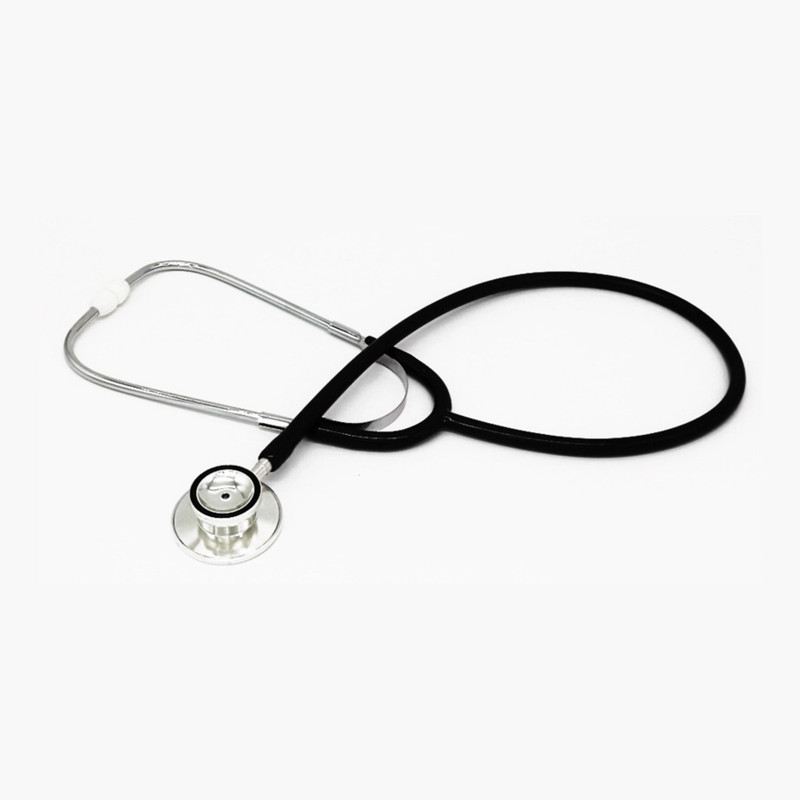
Even with a primary high-performance kit, a prepared professional understands the logistical necessity of having a reliable secondary instrument. The MedTech dual head stethoscope serves as an excellent backup or a dedicated tool for specific low-intensity environments.
This model is particularly useful for clinical rotations or as a teaching tool where a dependable, no-frills instrument is required. Its dual-head functionality allows for basic heart and lung assessments across a variety of patient demographics.
Conclusion: Investing in Long-Term Career Comfort
The journey toward a sustainable medical career involves making conscious choices about the tools used every single day. By prioritizing lightweight materials and ergonomic carrying solutions, a professional protects their physical health for the years of service ahead.
Ultimately, the goal of optimizing clinical gear is to remove the physical barriers between the clinician and the patient. When a provider is comfortable and their tools are effortlessly accessible, the quality of care naturally reaches its highest potential.
Frequently Asked Questions
Q1. How does the anodized aluminum handle disinfectants?
The anodized aluminum is built to resist corrosion and pitting from harsh disinfectants like isopropyl alcohol and bleach wipes. It also maintains a smooth surface, allowing quick and effective decontamination after each shift.
Q2. Will the belt clip stay secure on a 1.75-inch EMS duty belt?
The clip uses a tense grip designed specifically for standard tactical EMS belts. It stays firmly in place without slipping, even during rapid movement or while climbing into a rig.
Q3. Does the lightweight design reduce acoustic performance?
Despite being lightweight, the stethoscope uses a dense fiberglass diaphragm to capture clear lung and heart sounds. It remains effective even in noisy ambulance environments where road noise is a factor. The sealing eartips further enhance sound isolation, preserving diagnostic accuracy.
Q4. Is the dual head model durable enough for a jump bag?
The stethoscope is built with rugged PVC tubing and an aluminum alloy head for durability. It can handle constant vibration and temperature changes inside a jump bag.